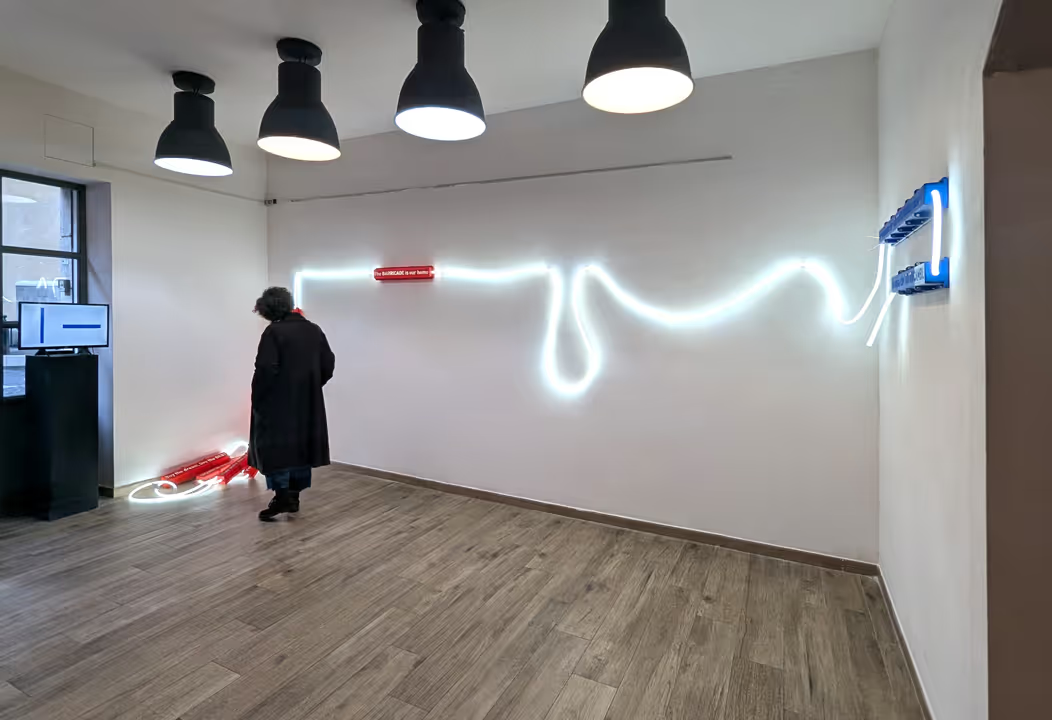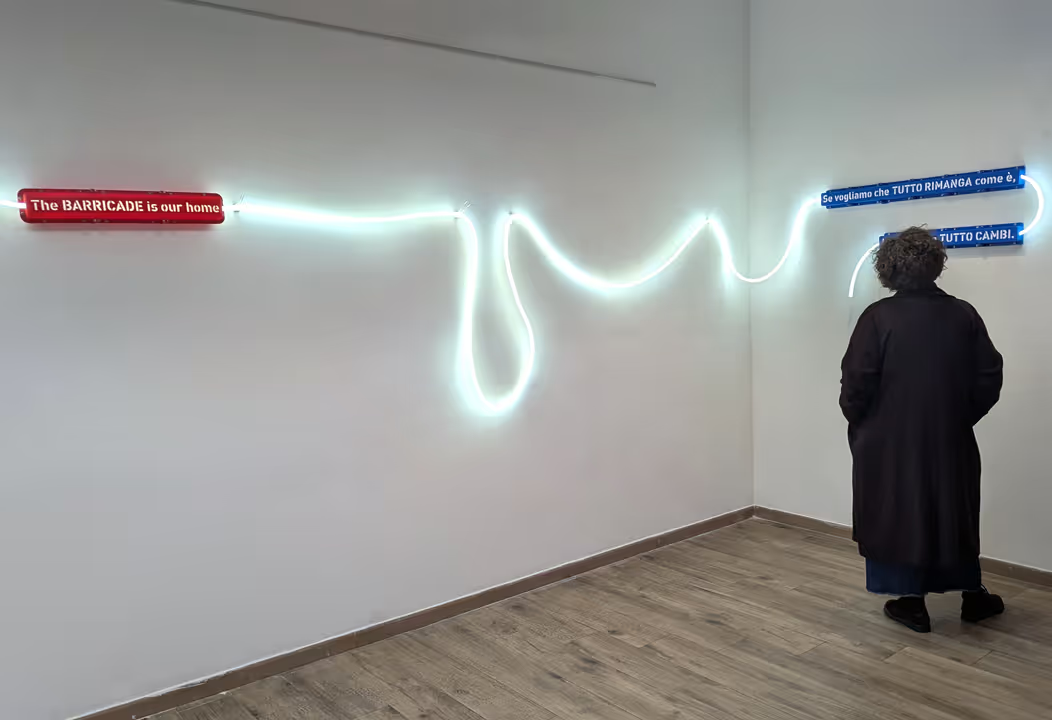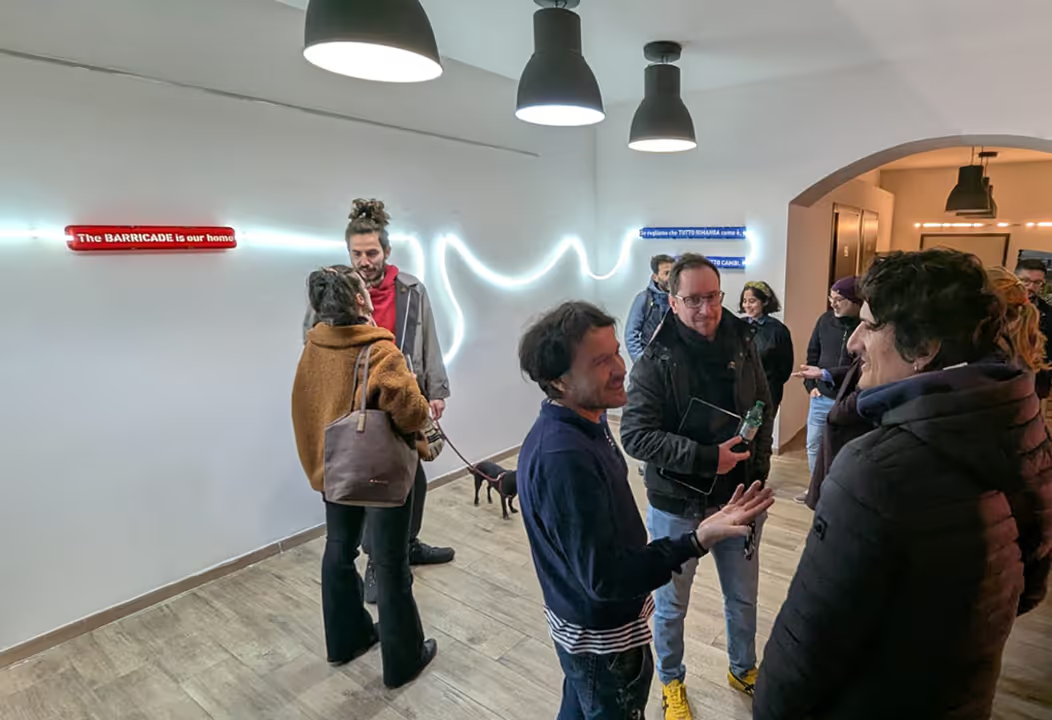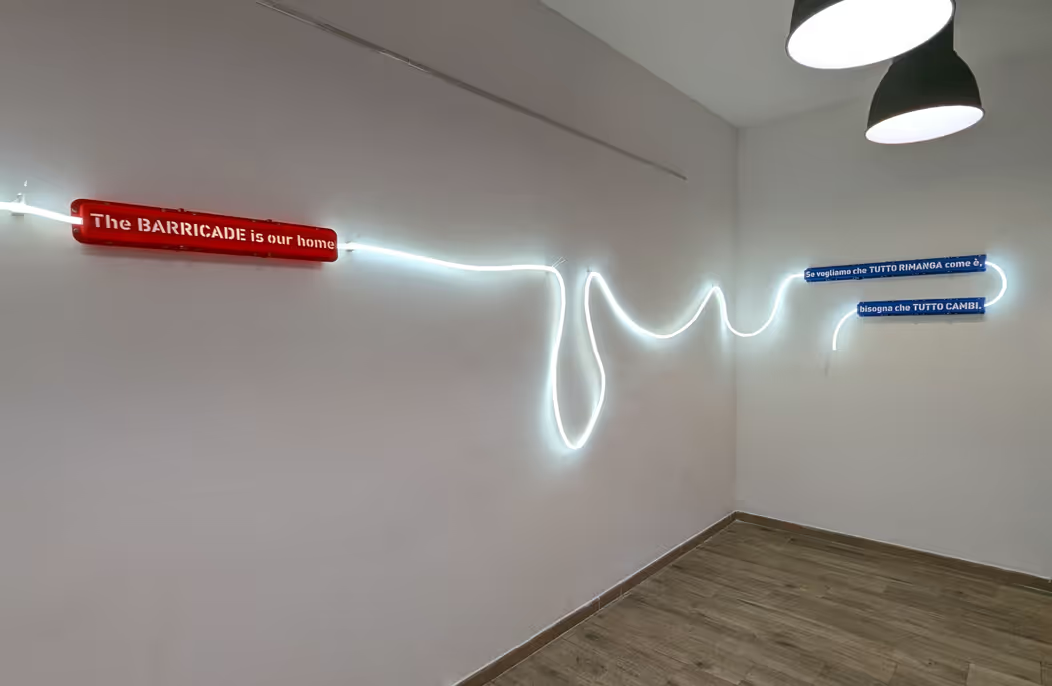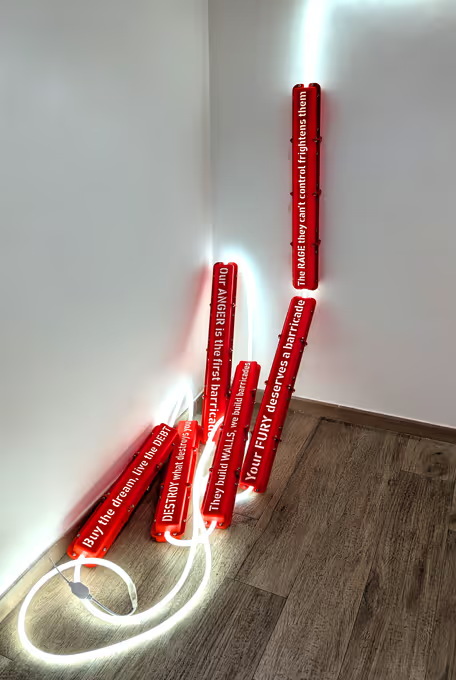
After its presentation in Milan at Spazio Serra, where it addressed the theme of anger, it was decided to continue this work in Bracciano, posing the question: where does anger come from?
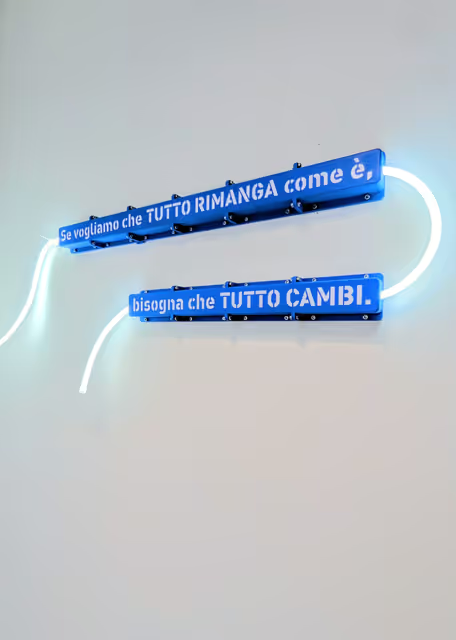
Through a line by Tomasi di Lampedusa— Se vogliamo che tutto rimanga com’è, bisogna che tutto cambi. “If we want everything to remain as itis, everything must change”—we may find the key. This eternal, universal sentence intrinsically reveals that history repeats itself over time, changing its forms while its contents remain, more or less, the same.
In“Barrikea,” the work shown in Milan, anger appears as the discontent of a society calling for revolution—an uprising, a strike, an argument—and through catharsis it produces a pause, a calm, a waiting period in which facts are tallied, reflection takes place, and change is projected: heads roll, the stage is reconfigured, and hope is born. But with time one discovers (unfortunately)that things are the same, or in some cases worse than at the beginning, generating a frustration that will, over time, give rise to new angers. Chile was no stranger to this cycle of “anger, hope, and frustration”; perhaps what is most surprising is how brief hope was. Da Venezia proposes pocket-sized, reusable phrases—like the popular sayings used in everyday life to reveal folk wisdom. Evil does not disappear; it only shifts.